Arts and Humanities

Artes e Humanidades

Art

Marciano A. Baptista by Joe Baptista.  Article on Macau’s famous painter 

Macau Anos 40 by George Vitalievich Smirnoff.  Leal Senado de Macau, Museu Luis de Camões (sem data) (undated).  (Copy held in Library of Lusitano Club, Hong Kong)

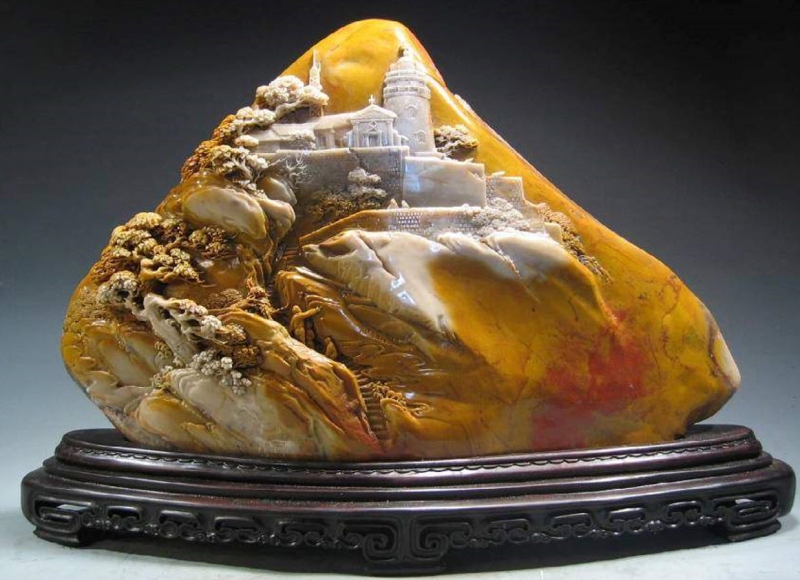
Chinese Treasures – Macau’s landmarks exquisitely carved in jade.

Architecture

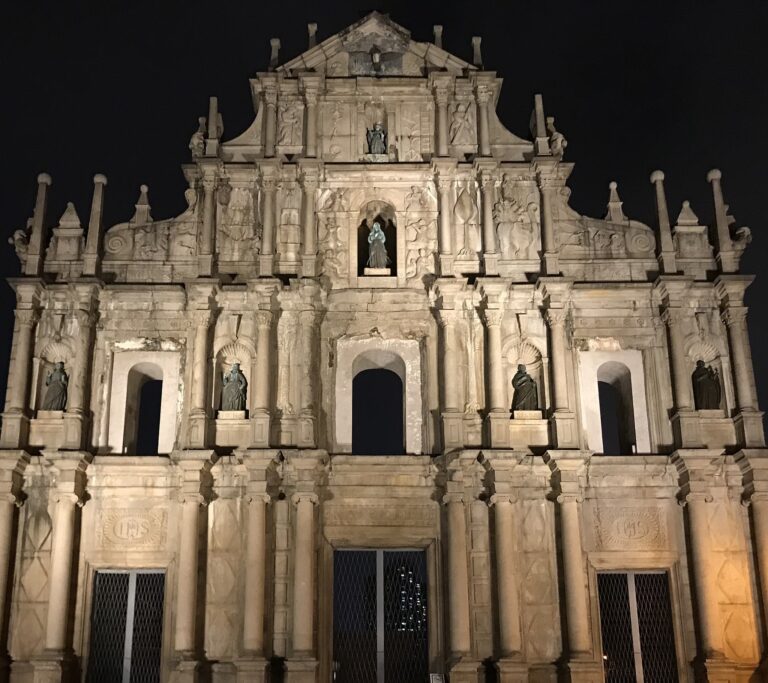
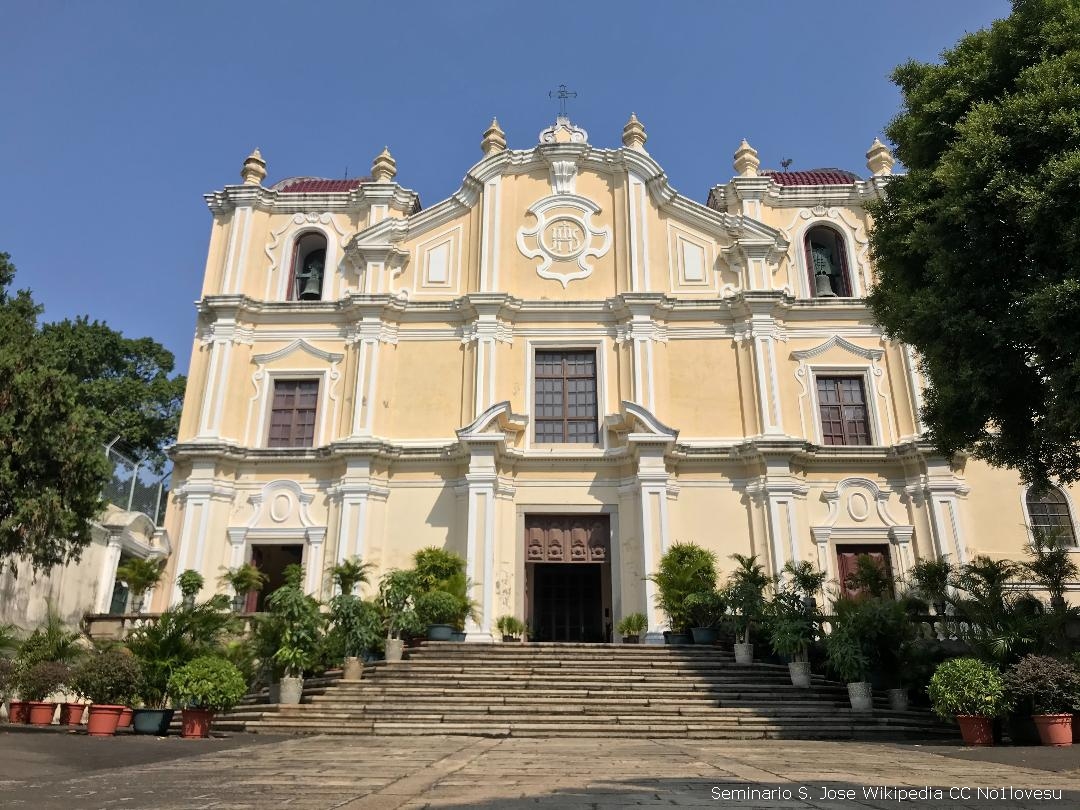
S. Paulo: The dominant and unforgettable symbol of Macau for the last 400 years has been the great Church of the Mother of God (commonly called St Paul), begun in 1602. The façade, all that now remains, was completed in 1637. The church itself was destroyed by fire in 1835, but the great stone facade endures, the finest European building in the Far East. Several recent books celebrate Macau’s unique heritage of church and military architecture.

 S. Paulo, by Henry d’Assumpção.   A brief history of the Church of the Mother of God, now commonly called St Paul

Macao’s Church of Saint Paul: A Glimmer of the Baroque in China, by César Guillén Nuñez. Hong Kong, Hong Kong University Press, 2009.

As ruínas de S. Paulo, Macau, um monumento para o futuro (The Ruins of St Paul, Macau, a monument to the future). Lisboa (Catálogo de Exposição), Macau, Companhia de Jesus, Setembro-Dezembro de 1994. (Lisbon (Exhibition Catalogue), Macau, the Society of Jesus)
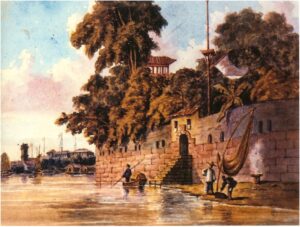
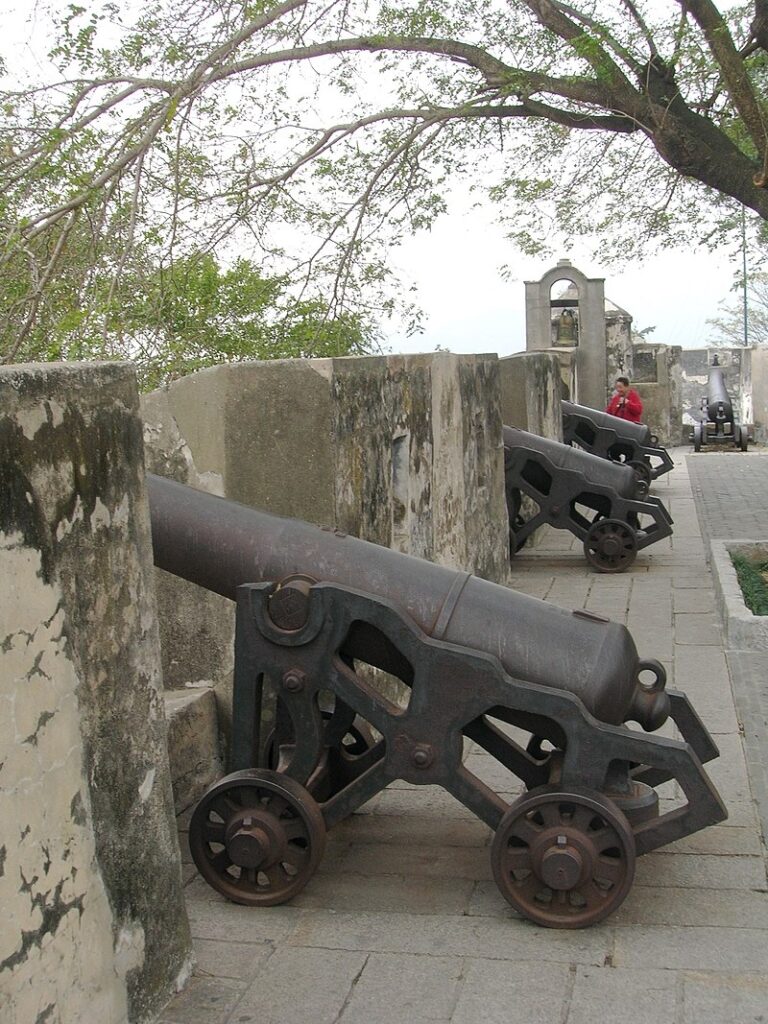
The Defences of Macau: Forts, Ships and Weapons over 450 Years, by Richard J.Garrett.  Hong Kong University Press, 2010.  An expert account of the ancient fortifications of Macau, superbly illustrated. However, Garrett looks only at the structures and the military hardware, not at the people who manned the forts.

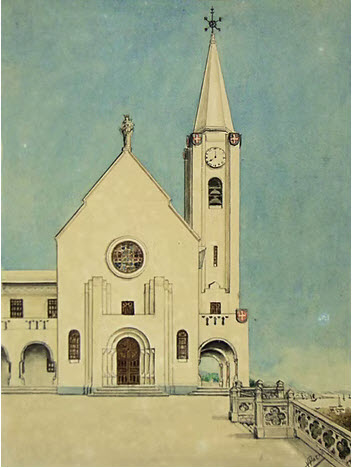
Delivered From The Jaws Of Death by Stuart  Braga, – An article on Penha Church.   Published in the Bulletin of Club Lusitano, 11 June 2019

Literature

David Brookshaw, Imperial Diasporas and the Search for Authenticity – The Macanese Fiction of Henrique de Senna Fernandes

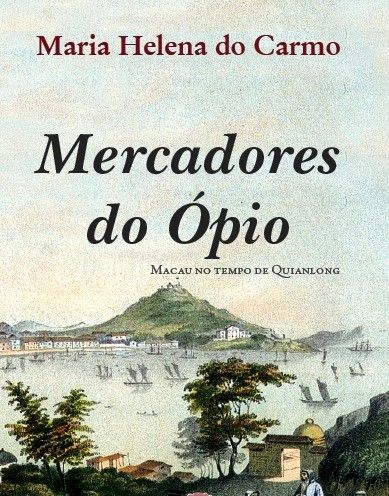
Maria Helena do Carmo, Mercadores do ópio Fundação Oriente, Macau. – Based on contemporary documents, this romantic novel on eighteenth century Macau portrays the experiences of six decades of a Macanese family.

Henrique de Senna Fernandes

A-Chan, A Tancareira (A-Chan, the rowboat woman, an award-winning novel) Lobito, Angola, 1974  . In Portuguese

Amor e Dedinhos de Pé (Love and Tiny Toes)  Instituto Cultural de Macau, 1986 – a novel and movie (1993). In Portuguese

A Trança Feiticeira (The Bewitching Braid)  Fundação Oriente, Lisboa, 1993, a novel and movie (1996).
Mong Há Instituto Cultural de Macau, 1998 – A novel. Versions in Portuguese and English

The Defences of Macau: Forts, Ships and Weapons over 450 Years, by Richard J.Garrett.  Hong Kong University Press, 2010.  An expert account of the ancient fortifications of Macau, superbly illustrated. However, Garrett looks only at the structures and the military hardware, not at the people who manned the forts.

Artes e Humanidades

Arte

Marciano A. Baptista by Joe Baptista. Artigo sobre o famoso pintor de Macau

Macau Anos 40 by George Vitalievich Smirnoff.  Leal Senado de Macau, Museu Luis de Camões (sem data) (undated). (Exemplar conservado na Biblioteca do Clube Lusitano, Hong Kong)

Chinese Treasures – Os pontos turísticos de Macau são primorosamente esculpidos em jade.

Architectura

S. Paulo: O símbolo dominante e inesquecível de Macau nos últimos 400 anos tem sido a grandiosa Igreja da Mãe de Deus (comumente chamada de São Paulo), iniciada em 1602. A fachada, tudo o que resta atualmente, foi concluída em 1637. A igreja em si foi destruída por um incêndio em 1835, mas a imponente fachada de pedra permanece, sendo a mais bela construção europeia no Extremo Oriente. Diversos livros recentes celebram a herança única da arquitetura eclesiástica e militar de Macau.

 S. Paulo, by  Henry d’Assumpção.  Uma breve história da Igreja da Mãe de Deus, hoje comumente chamada de São Paulo

Macao’s Church of Saint Paul: A Glimmer of the Baroque in China, por César Guillén Nuñez. Hong Kong, Hong Kong University Press, 2009.

As ruínas de S. Paulo, Macau, um monumento para o futuro, Lisboa (Catálogo de Exposição), Macau, Companhia de Jesus, Setembro-Dezembro de 1994. (Lisbon (Exhibition Catalogue), Macau, the Society of Jesus)
A study of the church of St. Paul in Macao and the transformation of Portuguese architecture (Um estudo sobre a igreja de São Paulo em Macau e a transformação da arquitetura portuguesa) por Marcel Nishiyama

The Defences of Macau: Forts, Ships and Weapons over 450 Years, by Richard J.Garrett.  Hong Kong University Press, 2010. Um relato especializado das antigas fortificações de Macau, magnificamente ilustrado. No entanto, Garrett analisa apenas as estruturas e o equipamento militar, não as pessoas que guarneciam os fortes.

Delivered From The Jaws Of Death  (Libertado das garras da morte) por Stuart  Braga – Artigo sobre a Igreja da Penha. Publicado no Boletim do Clube Lusitano, 11 de Junho de 2019

Literatura

David Brookshaw, Imperial Diasporas and the Search for Authenticity – The Macanese Fiction of Henrique de Senna Fernandes (Diásporas Imperiais e a Busca pela Autenticidade – A Ficção Macaense de Henrique de Senna Fernandes)

Maria Helena do Carmo, Mercadores do ópio Fundação Oriente, Macau. – Baseado em documentos contemporâneos, este romance romântico sobre Macau no século XVIII retrata as experiências de seis décadas de uma família macaense.

Henrique de Senna Fernandes

A-Chan, A Tancareira (um romance premiadol) Lobito, Angola, 1974

Amor e Dedinhos de Pé (Love and Tiny Toes)  Instituto Cultural de Macau, 1986 – um romance e um filme(1993). 

A Trança Feiticeira (The Bewitching Braid)  Fundação Oriente, Lisboa, 1993, a novel and movie (1996).
Mong Há Instituto Cultural de Macau, 1998 – Um romance. Versões em português e inglês
1