
Alex
25th December 1941
Joyce Osmund Van Langenberg
Christmas 1941 was one of the greyest and grimmest in Hong Kong’s history, distinctly lacking the flavour and frivolity of Christmases past. Streets and pavements were devoid of last minute shoppers as the spirit of Christmas dwindled to a dim memory now that the battle in Gin Drinkers Line, the British military defensive position in the New Territories, was irretrievably lost. British troops had retreated to Hong Kong Island leaving the peninsula of Kowloon a ‘no-man’s’ land, defenceless and vulnerable to anarchy and looting that grew progressively rampant as people fled their homes to live in community groups in the face of the terrifying advance of the Japanese army. It was a time of great trepidation.
Amid the mayhem, Alex Alves stepped outside The Hongkong and Shanghai Banking Corporation into the dazzling noonday sun. He strode resolutely along the thoroughfare of Queen’s Road, Central, inflamed with a burning desire to join in the battle for the survival of Hong Kong, his homeland. However, all was not as it seemed. He nursed a deep sense of grievance at being alienated from his comrades locked in battle with the Japanese in the Peak area.
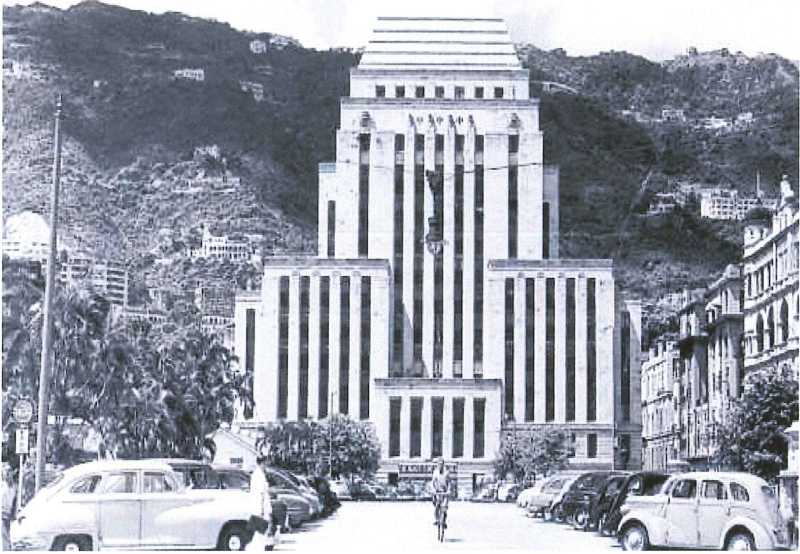
Alex joined The Hongkong and Shanghai Banking Corporation in 1939 at the impressionable age of 18 following his graduation from St. Joseph’s College in Hong Kong. His intelligence, efficiency and personable nature did not go unnoticed and in 1941 he was promoted to the post of ledger keeper. However, he soon found to his disappointment that casting long columns of figures in massive ledgers day-in-and-day-out was soul-destroying which only served to strengthen his resolve to fight for the survival of Hong Kong alongside his friends and colleagues in The Hong Kong Volunteer Defence Corps
Prior to the months leading up to gth December 1941, prominent businessmen were unconvinced that war was imminent and British bank executives in particular prevented many of their employees from mobilisation. Their clerical staff were principally Portuguese or of Portuguese extraction, locally known as Macanese. A significant number of the bank’s Macanese staff were active members of The Hong Kong Volunteer Defence Corps and were currently in the thick of battle against an overwhelming force of Japanese troops. The dilemma of further volunteers being released meant that some of the Colony’s banks might have to cease trading all together. Thus Alex was left in the invidious position of having to participate in a different kind of war — the maintenance of the monetary system of Hong Kong. A moratorium limiting the withdrawal of a maximum sum of HK$600 per account per day precipitated a run on the banks in Hong Kong. Panic-stricken customers queued every morning to withdraw their funds. To avert mounting hysteria and rioting, The Hongkong and Shanghai Banking Corporation opened its doors for business every day including Christmas day.
With resolute determination Alex set out in his lunch break to meet his commanding officer, Captain H.A. de Barros Botelho at Club Lusitano in Duddell Street, now a communications centre set up by the Portuguese contingent of the Hong Kong Volunteer Defence Corps, for permission to join his company in battle. At Club Lusitano restless crowds of people were milling about in the foyer anxious for news of their loved ones. The time came for Alex to meet his captain amid the ringing of telephones and the noisy clatter of office machines operated by uniformed men.
Captain Botelho leaned back in his swivel chair and smiled affably but his pale, drawn and tired demeanour did not escape Alex’s notice. The Captain recognised him instantly as the keen volunteer who had previously attempted to join his unit and enquired to which group section he belonged. “No.5 Anti-Aircraft Battery, Sai Wan, Sir” replied Alex with enthusiasm. He explained his reasons for requesting reassignment to combative duties emphasising that he felt his energies were better directed fighting in the defence of Hong Kong alongside his fellow volunteers. Alex’s request was denied without explanation. Captain Botelho commanded him to return to the bank to continue his essential duties there reassuring him that his work was vital for the economic stability of Hong Kong. In truth Captain Botelho had received confirmation that capitulation was now a matter of hours rather than days away. He knew the overwhelming odds facing the British troops meant that, despite their bravery and heroism, there was not the slightest chance of defending Hong Kong against the powerful force of the Japanese troops.
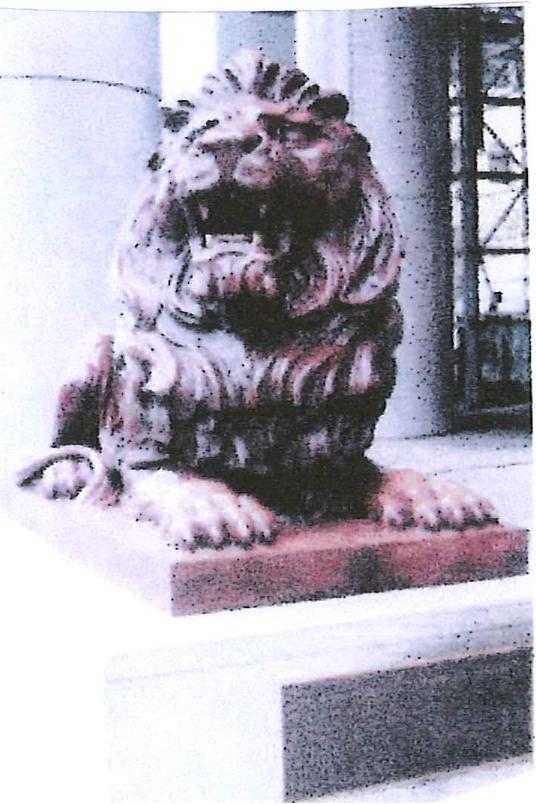
Alex returned to The Hongkong and Shanghai Bank with a heavy heart. Before re-entering the banking hall however superstition got the better of him. He paused to stroke the flank of one of the pair of bronze lions that front the bank’s impressive facade in the belief that good fortune would rub off on him.
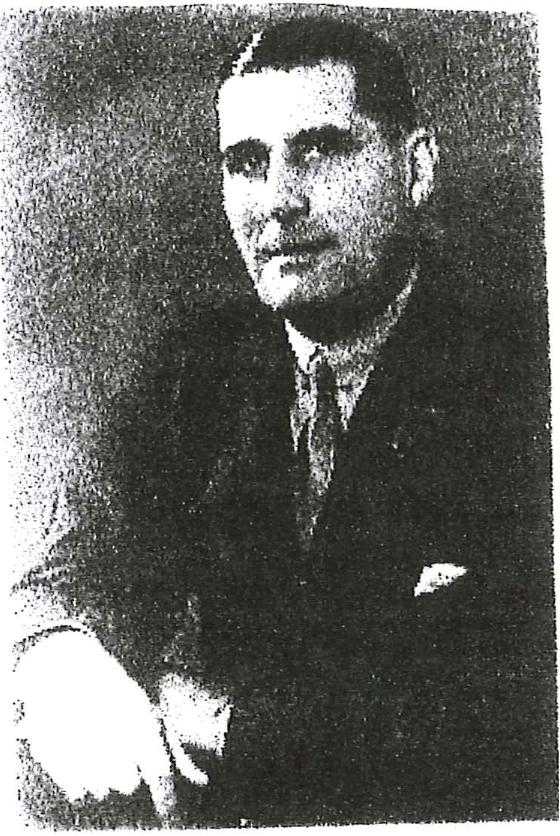
By four o’clock on Christmas day, 25th December 1941, Sir Vandeleur Grayburn, the chief manager of The Hongkong and Shanghai Banking Corporation, gathered his diminished staff for an unscheduled meeting in the bank’s vault situated in the basement of the building. He cracked open a few bottles of vintage champagne, filling the glass of each member of staff present and proposed a toast to His Majesty the King and to all the brave men fighting for freedom from oppression. He wished his staff a peaceful Christmas although Sir Vandeleur was feeling far from peaceful. His emotions were in turmoil. Finally in a sombre tone he added, “I regret to inform you that at 15:15 hours today Major-General Christopher Maltby issued orders for all commanding officers to lay down their arms and surrender to the nearest Japanese commander.”
This sudden revelation was met with deathly silence broken by stifled gasps of incredulity. Alex lowered his head, every one of his office colleagues was crying unashamedly. Finally, the chief manager clasped the hand of each member of his staff wishing them good luck and Godspeed.
The ensuing months were a continuous nightmare. With the defeated soldiers held in prisoner-of-war camps in North Point, Shamshuipo and Argyle Street and expatriate women and children incarcerated in Stanley Civilian Interment Camp, the economy of Hong Kong collapsed overnight. People walked about grim-faced stunned by the depressing atmosphere of deterioration and poverty. Alex had never felt real fear until now. The future looked stark and utterly hopeless. His world as he had known it suddenly vanished before his eyes.
Atrocities on an unprecedented scale followed: public executions, water torture and the putrefaction of death on the streets traumatised the citizens of Kowloon and Hong Kong. Already the Macanese in their thousands were attempting to flee in anything that would float, heading for the safe haven of the Portuguese colony of Macao that remained neutral during the Second World War.
Some Macanese families however chose to remain in Hong Kong, reluctant to abandon their menfolk incarcerated in prisoner-of-war camps, clinging to the tenuous hope that, as the Macanese prisoners of war were Portuguese by ancestry and Portugal was a neutral nation, the Japanese might release them. But this glimmer of hope faded with each passing day. Consequently the Macanese families who remained in Hong Kong lived under the tyrannical rule of the Japanese army. A new reign of terror in the guise of high-ranking spies working for the Kempetai, the Japanese Secret Police, spread a bloody trail of torture, death and destruction in their wake. The Kempetai terrorised their victims in much the same ruthless manner as the Gestapo in Europe and were distinguishable by their jaunty white panama hats and Chinese outfits called “lai chee vut” made of a shiny lightweight material black on the outside and brown on the inside that gave a cooling effect against the sweltering heat of the sun. They had eyes and ears in every workplace, in every district and in every street corner, arresting and interrogating third nationals, including the Macanese, convinced that many of them were working undercover for British Intelligence.
The Japanese lost no time in usurping the operations of banking institutions, notably The Hongkong and Shanghai Banking Corporation and the second note-issuing bank, The Chartered Bank in Des Voeux Road, Central. Existing staff continued to work under duress for the new regime. Meanwhile, the Kempeitai continued searching for escaped POWs, flushing out men in a similar situation as Alex who had disposed of his uniform when Hong Kong fell. For the moment Alex walked about freely instead of languishing in a prison camp, but he lived in constant fear of arrest and had no illusions as to his treatment in the event of discovery. Suspicion grew that there were spies among bank employees and several members of staff, including Fernando Prata and Leandro Roza, were interrogated and the latter tortured as a warning to others. A terrified 21-year old Roza was dragged to Statue Square. Stripped of his shirt and trousers, he lay spread-eagled on his back with arms and legs staked to the ground, his bare feet pointing upward before the statue of Sir Thomas Jackson a former chief manager of The Hongkong and Shanghai Banking Corporation. Left exposed without food or drink for a few days he miraculously survived his horrifying ordeal but returned to work a broken man, afraid of his own shadow.
Alex stood on Queen’s Pier enraptured by the most beautiful harbour in the world — he had much on his mind. The sun’s rays danced over the azure waters of the harbour and he felt a stirring in his heart that never again in his young life would he encounter a lovelier sight. The locals called it ‘Hong Kong’ (which in Chinese means ‘Fragrant Harbour’) rather than the British-designated name of ‘Victoria Harbour’ dedicated to a monarch in some distant land unknown to them. The air felt crisp and fresh and the potent tang of the sea evoked rich memories of the annual cross-harbour swimming competitions.
He also recalled how in peacetime affluent hong taipans, their wives, retinue of servants, friends and business associates boarded launches with the Union Jack fluttering proudly. This was a popular pastime of the rich and influential. The launches were festooned with gaily-coloured ribbons and decorative tables replete with sumptuous food catered by the famed Peninsula Hotel in Kowloon, waiters with white gloves and starched uniforms served guests with champagne and exotic cocktails in slender crystal wineglasses and canapés on solid silver salvers.
The pier was deserted. As he gazed at the calm waters of Fragrant Harbour he felt a stirring sensation coursing through his veins. An aching sense of loss engulfed him. He felt like crying and the truth struck him like a forceful blow. He was going to leave this place — his home!
The next morning after a hurried breakfast Alex, his father, mother and two sisters, fled their flat at 8 Mosque Junction with only a suitcase among them. They hastened down Glenealy Road to the Star Ferry concourse adjacent to Queen’s Pier where Alex’s father desperately sought the assistance of a fisherman willing to take his family to Macao. A princely sum of HK$500 was negotiated. The voyage to the small Portuguese enclave, 37 miles west of Hong Kong took approximately ten hours.
It was sundown when the vessel reached Macao’s inner harbour at the estuary of the Pearl River. The water of the harbour was the brownness of a turbulent river but now it glowed with the reflection of the sunset, a splash of crimson and gold trailed across the sky like the stroke of a paintbrush. They were overwhelmed by the magnanimity of the Portuguese Governor and Commander-in-Chief of Macau, Gabriel Mauricio Teixeira, in requisitioning numerous hotels and private clubs to house the vast influx of Macanese refugees from Hong Kong, the most unorthodox being a moored river steamer named the ‘Tung Hui’ (or ‘Eastern Sea’).
The young have a wonderful capacity for turning adversity into a thing of joy. Much fun was derived from that old retired river steamer of two wooden decks and small cabins transformed into the most ingenious centre imaginable to accommodate the refugees. The Macanese lads affectionately named it ‘The Hulk’. In the summer they slept on the upper deck on camp beds to take full advantage of the cool evening breeze. In those lazy, hazy afternoons when it was too hot to do anything else they waited for high tide and spent their time swimming and diving from the upper deck into the bay below.
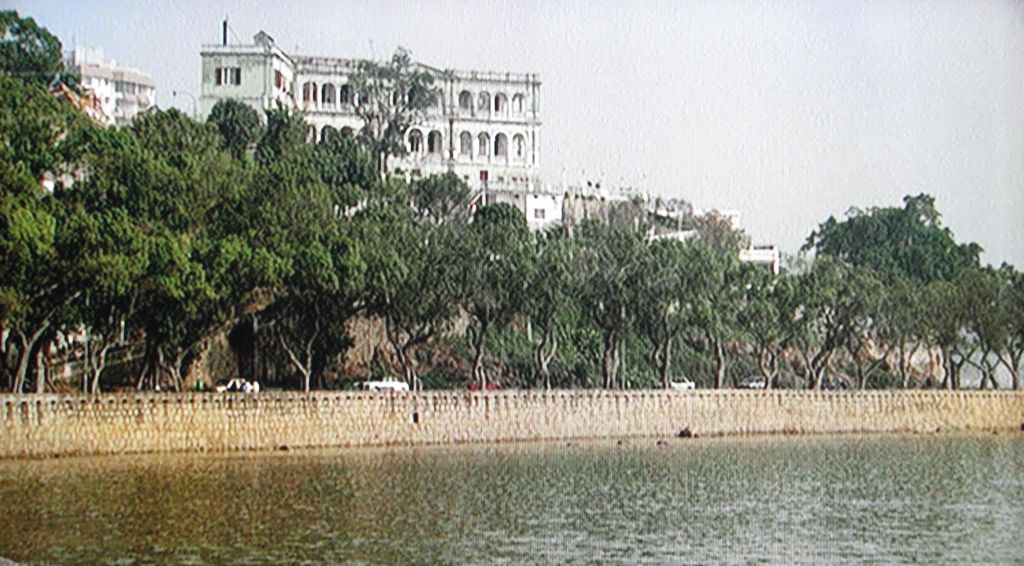
Soon Alex learned to his delight that, as a member of the Hong Kong Volunteer Defence Corps, he was granted a monthly subsidy by the British Consul. Several weeks later Alex walked from the Canidrome, a fenced-off area reserved for football, to the tree-lined Rua da Praia Grande that runs out of the city to the south. The suburb of Patio do Boa Vista nestled at the bottom of a steep hill that led up to Penha. As Alex ascended the gradient he discerned the pillared veranda of Hotel Bela Vista, much admired by visitors who came to gaze at its faded grandeur and magnificent marble stairway with wrought-iron railings, evocative of an ageless beauty, charm and way of life that was declining under the frenzied world at war. This enchanting hotel was also requisitioned by the Governor of Macau to accommodate the Hong Kong refugees fleeing from Japanese aggression.
Alex passed neighbouring old houses with red tiled roofs and gleaming white walls a semblance of Portugal transplanted to the Far East clinging to the hillside rising above the bay. At the summit the air was invigorating. The breathtaking view of junks and sampans bobbing leisurely in the bay against the hazy background of mainland China uplifted his spirits.
At Penha Hill Alex sought an interview with the British Consul, Mr. John Reeve, a kind, compassionate Englishman who, in conjunction with the Governor of Macau, created jobs for the young refugee men from Hong Kong. He knew their fathers had been loyal to the British and were currently interned in PoW camps in Hong Kong. Any job, however menial, was a welcome relief from the crushing boredom of life in this sleepy Portuguese enclave that lacked excitement and stimulation for the young.
There were two teams of bodyguards alternating between No.9 Praia Grande, the official offices of the British Consulate, and ‘Skyline’ the Consul’s residence in Penha. Alex was appointed bodyguard to the Consul’s wife and daughter. Their lovely home resonated with collective memorabilia from many parts of the globe that graced the house. It was situated alongside the Bishop’s Palace and the Pan American Airways radio station atop Penha Hill.
One rain-swept night the household was awakened by loud poundings on the front door. Alex hastened to answer but hesitated a moment. Mr. Reeve said reassuringly, “It’s all right Alex open the door. I have a notion who our visitors might be.” Alex confronted three Tanka fishermen wearing up-swept Punti hats and palm-leaf rain capes dripping with water. The group was ushered hastily into the spacious kitchen. By this time the Consul’s staff, a jovial Chinese chef and his wife, awakened by the commotion, set to work immediately preparing food. With basic ingredients of cooked rice, spring onions, mushrooms, prawns and fresh eggs they served up a tasty ‘chow fan’ (fried rice) with the minimum of fuss.
The fishermen devoured the food set before them with gusto, their wooden chopsticks clicking away like lmitting needles. Even the extraordinarily tall one ate ravenously but he seemed tired and worn out and the odd one using a spoon. As his plate emptied, Alex replenished it. “Thank you” he drawled, raising his head. To Alex’s amazement he noticed the man’s sharp features and piercing blue eyes. “Gosh, this guy’s American!” thought Alex in astonishment. Rising awkwardly the tall stranger introduced himself.
“My name’s Roger, I’m American, I come from Montana” he drawled proffering his right hand. “My plane got shot down over the South China Sea and I was near death when these guys rescued me,” he gave a respectful nod in their direction. “I owe them my life” he said humbly. It was in a new light that Alex viewed his employer, Mr. Reeve, this generous Englishman who rewarded fishermen to ‘fish’ hapless pilots from the sea. In time Alex grew accustomed to the nocturnal poundings at the door.
As a parting gift Roger presented Alex with his .45 Colt revolver, a gift the latter cherished throughout the war years in Macau. When Alex looked back to the camaraderie in Penha with his cronies from Hong Kong — Gaudie Costa, Pat George, Ronnie Castro, Archer Larcina and Hugo Silva, all loyal bodyguards of the British Consul, nostalgia welled up in his soul of those bittersweet war years in Macau.
Alex
25 de dezembro de 1941
Joyce Osmund Van Langenberg
O Natal de 1941 foi um dos mais cinzentos e sombrios da história de Hong Kong, claramente desprovido do sabor e da frivolidade dos Natais passados. Ruas e passeios estavam vazios de compradores de última hora, enquanto o espírito natalício se desvanecia numa vaga memória, agora que a batalha na Linha dos Bebedores de Gin, a posição defensiva militar britânica nos Novos Territórios, estava irremediavelmente perdida. As tropas britânicas tinham recuado para a Ilha de Hong Kong, deixando a península de Kowloon como uma “terra de ninguém”, indefesa e vulnerável à anarquia e aos saques que se tornaram progressivamente galopantes à medida que as pessoas fugiam das suas casas para viver em grupos comunitários face ao avanço aterrador do exército japonês. Foi um momento de grande apreensão.
No meio do caos, Alex Alves saiu do Hongkong and Shanghai Banking Corporation para o deslumbrante sol do meio-dia. Caminhou resolutamente pela Queen’s Road, Central, inflamado por um desejo ardente de se juntar à batalha pela sobrevivência de Hong Kong, a sua terra natal. No entanto, nem tudo era o que parecia. Nutria um profundo sentimento de mágoa por estar alienado dos seus camaradas envolvidos na batalha contra os japoneses na região do Pico.
Alex ingressou na Hongkong and Shanghai Banking Corporation em 1939, aos 18 anos, após se ter licenciado no St. Joseph’s College, em Hong Kong. A sua inteligência, eficiência e personalidade não passaram despercebidas e, em 1941, foi promovido ao cargo de contabilista. No entanto, cedo descobriu, para sua decepção, que lançar longas colunas de números em enormes livros-razão dia após dia era devastador, o que apenas serviu para fortalecer a sua determinação em lutar pela sobrevivência de Hong Kong ao lado dos seus amigos e colegas do Corpo de Voluntários de Defesa de Hong Kong.
Antes dos meses que antecederam o dia 8 de Dezembro de 1941, os empresários proeminentes não estavam convencidos de que a guerra estivesse iminente, e os executivos dos bancos britânicos, em particular, impediram a mobilização de muitos dos seus funcionários. Os seus funcionários administrativos eram sobretudo portugueses ou de origem portuguesa, conhecidos localmente por macaenses. Um número significativo de funcionários macaenses do banco eram membros activos do Corpo de Voluntários de Defesa de Hong Kong e estavam no meio da batalha contra uma força esmagadora de tropas japonesas. O dilema da libertação de mais voluntários significava que alguns dos bancos da colónia poderiam ter de cessar completamente as suas operações. Assim, Alex ficou na posição invejosa de ter de participar num tipo diferente de guerra — a manutenção do sistema monetário de Hong Kong. Uma moratória que limitava o levantamento de um montante máximo de 600 HK$ por conta por dia precipitou uma corrida aos bancos em Hong Kong. Os clientes em pânico formavam filas todas as manhãs para levantar os seus fundos. Para evitar a histeria e os tumultos crescentes, o Hongkong and Shanghai Banking Corporation abriu as suas portas todos os dias, incluindo no Natal.
Com firme determinação, Alex partiu, durante a hora de almoço, para se encontrar com o seu comandante, o Capitão H.A. de Barros Botelho, no Clube Lusitano, na Rua Duddell, agora um centro de comunicações criado pelo contingente português do Corpo de Voluntários de Defesa de Hong Kong, para obter permissão para se juntar à sua companhia em combate. No Clube Lusitano, multidões inquietas aglomeravam-se no átrio, ansiosas por notícias dos seus entes queridos. Chegou a hora de Alex encontrar o seu capitão por entre o toque dos telefones e o barulho barulhento das máquinas de escritório operadas por homens fardados.
O Capitão Botelho recostou-se na sua cadeira giratória e sorriu afavelmente, mas o seu comportamento pálido, abatido e cansado não passou despercebido a Alex. O Capitão reconheceu-o instantaneamente como o voluntário entusiasmado que tinha tentado juntar-se à sua unidade e perguntou a que secção do grupo pertencia. “Bateria Antiaérea Nº 5, Sai Wan, Senhor”, respondeu Alex com entusiasmo. Explicou os seus motivos para solicitar a transferência para tarefas de combate, sublinhando que sentia que as suas energias seriam melhor direcionadas lutando na defesa de Hong Kong ao lado dos seus colegas voluntários. O pedido de Alex foi negado sem explicação. O Capitão Botelho ordenou-lhe que regressasse ao banco para continuar as suas tarefas essenciais, assegurando-lhe que o seu trabalho era vital para a estabilidade económica de Hong Kong. Na verdade, o Capitão Botelho recebera a confirmação de que a capitulação era agora uma questão de horas, em vez de dias. Ele sabia que as adversidades esmagadoras enfrentadas pelas tropas britânicas significavam que, apesar da sua bravura e heroísmo, não havia a mínima hipótese de defender Hong Kong contra a poderosa força das tropas japonesas.
Alex regressou ao The Hongkong and Shanghai Bank com o coração pesado… mas todos os dias, ao passar diante da imponente fachada do edifício, tocava discretamente na pedra da entrada — um pequeno ritual de esperança — acreditando que a boa sorte poderia acompanhá‑lo.
Às quatro horas da tarde do dia de Natal, 25 de dezembro de 1941, Sir Vandeleur Grayburn, gerente-chefe do The Hongkong and Shanghai Banking Corporation, reuniu a sua reduzida equipa para uma reunião não programada no cofre do banco, situado no subsolo do edifício. Abriu algumas garrafas de champanhe vintage, encheu o copo de cada membro da equipa presente e propôs um brinde a Sua Majestade o Rei e a todos os bravos homens que lutavam pela liberdade da opressão. Desejou à sua equipa um Natal tranquilo, embora Sir Vandeleur estivesse longe de se sentir em paz. As suas emoções estavam em turbulência. Finalmente, num tom sombrio, acrescentou: “Lamento informar que, às 15h15 de hoje, o Major-General Christopher Maltby emitiu ordens para que todos os oficiais comandantes depusessem as armas e se rendessem ao comandante japonês mais próximo.”
Esta súbita revelação foi recebida com um silêncio mortal, quebrado por suspiros abafados de incredulidade. Alex baixou a cabeça; todos os seus colegas de escritório choravam descaradamente. Por fim, o chefe de gestão apertou a mão a cada membro da sua equipa, desejando-lhes boa sorte e boa sorte.
Os meses seguintes foram um pesadelo contínuo. Com os soldados derrotados presos nos campos de prisioneiros de guerra em North Point, Shamshuipo e Argyle Street, e mulheres e crianças expatriadas encarceradas no Campo de Internamento Civil de Stanley, a economia de Hong Kong entrou em colapso da noite para o dia. As pessoas caminhavam com expressões sombrias, atordoadas pela atmosfera deprimente de deterioração e pobreza. Alex nunca tinha sentido medo de verdade até então. O futuro parecia negro e totalmente sem esperança. O seu mundo, tal como ele o conhecia, desapareceu subitamente diante dos seus olhos.
Seguiram-se atrocidades a uma escala sem precedentes: execuções públicas, tortura com água e a putrefacção da morte nas ruas traumatizaram os cidadãos de Kowloon e Hong Kong. Milhares de macaenses já tentavam fugir em tudo o que flutuasse, em direção ao porto seguro da colónia portuguesa de Macau, que se manteve neutra durante a Segunda Guerra Mundial.
Algumas famílias macaenses, no entanto, optaram por permanecer em Hong Kong, relutantes em abandonar os seus homens encarcerados em campos de prisioneiros de guerra, agarrando-se à ténue esperança de que, como os prisioneiros de guerra macaenses eram de ascendência portuguesa e Portugal era uma nação neutra, os japoneses pudessem libertá-los. Mas esse vislumbre de esperança desvanecia a cada dia que passava. Consequentemente, as famílias macaenses que permaneceram em Hong Kong viveram sob o domínio tirânico do exército japonês. Um novo reinado de terror, disfarçado de espiões de alto nível ao serviço da Kempetai, a Polícia Secreta Japonesa, espalhou um rasto sangrento de tortura, morte e destruição por onde passaram. Os Kempetai aterrorizavam as suas vítimas de uma forma muito semelhante à implacável da Gestapo na Europa e distinguiam-se pelos seus vistosos chapéus panamá brancos e pelos seus trajes chineses chamados “lai chee vut”, feitos de um material leve e brilhante, preto por fora e castanho por dentro, que proporcionava um efeito refrescante contra o calor abrasador do sol. Tinham olhos e ouvidos em todos os locais de trabalho, em todos os distritos e em todas as esquinas, prendendo e interrogando cidadãos de terceiros, incluindo macaenses, convencidos de que muitos deles trabalhavam sob disfarce para a Inteligência Britânica.
Os japoneses não perderam tempo em usurpar as operações das instituições bancárias, nomeadamente a Hong Kong and Shanghai Banking Corporation e o segundo banco emissor de notas, o Chartered Bank, na Des Voeux Road, Central. Os funcionários existentes continuaram a trabalhar sob coação para o novo regime. Entretanto, os Kempetai continuaram a procurar prisioneiros de guerra fugitivos, encontrando homens em situação semelhante à de Alex, que se tinha livrado do seu uniforme durante a queda de Hong Kong. Neste momento, Alex andava livremente em vez de definhar num campo de prisioneiros, mas vivia em constante medo de ser preso e não tinha ilusões quanto ao seu tratamento em caso de descoberta. Cresceu a suspeita de que havia espiões entre os funcionários do banco e vários membros da equipa, incluindo Fernando Prata e Leandro Roza, foram interrogados e este último torturado como aviso para os outros. Um Roza de 21 anos, aterrorizado, foi arrastado para a Praça da Estátua. Despido da camisa e das calças, estava deitado de costas com os braços e as pernas presos ao chão, os pés descalços apontados para cima, diante da estátua de Sir Thomas Jackson, antigo chefe de gestão do The Hongkong and Shanghai Banking Corporation. Deixado exposto sem comida ou bebida durante alguns dias, sobreviveu milagrosamente à sua terrível provação, mas voltou ao trabalho um homem destruído, com medo da sua própria sombra.
Alex estava no Queen’s Pier, extasiado com o porto mais bonito do mundo — tinha muita coisa em mente. Os raios de sol dançavam sobre as águas azuis do porto e ele sentiu uma agitação no coração, pensando que nunca mais na sua jovem vida encontraria uma visão mais encantadora. Os habitantes locais chamavam-lhe “Hong Kong” (que em chinês significa “Porto Perfumado”), em vez do nome britânico “Porto Vitória”, dedicado a um monarca numa qualquer terra distante e desconhecida para eles. O ar era fresco e revigorante, e o forte cheiro do mar evocava ricas recordações das competições anuais de natação entre portos.
Recordava também como, em tempo de paz, os ricos taipans de Hong Kong, as suas mulheres, séquitos de criados, amigos e colegas de trabalho embarcavam em lanchas com a bandeira do Reino Unido a ondular orgulhosamente. Este era um passatempo popular entre os ricos e influentes. As lanchas estavam enfeitadas com fitas de cores alegres e mesas decorativas repletas de iguarias sumptuosas servidas pelo famoso Peninsula Hotel em Kowloon. Os empregados de mesa com luvas brancas e uniformes engomados serviam champanhe e cocktails exóticos aos hóspedes em finas taças de cristal e canapés em bandejas de prata maciça.
O cais estava deserto. Enquanto contemplava as águas calmas do Porto Perfumado, sentiu uma sensação de agitação a percorrer-lhe as veias. Uma dolorosa sensação de perda invadiu-o. Sentiu vontade de chorar e a verdade atingiu-o como um golpe violento. Ele ia deixar aquele lugar — a sua casa!
Na manhã seguinte, após um pequeno-almoço apressado, Alex, o pai, a mãe e duas irmãs fugiram do seu apartamento no número 8 de Mosque Junction levando apenas uma mala. Apressaram-se pela Glenealy Road até ao átrio do Star Ferry, adjacente ao Queen’s Pier, onde o pai de Alex procurou desesperadamente a ajuda de um pescador disposto a levar a sua família para Macau. A principesca soma de 500 HK$ foi negociada. A viagem até ao pequeno enclave português, 60 quilómetros a oeste de Hong Kong, demorou aproximadamente dez horas.
O pôr-do-sol já se estava a pôr quando o navio chegou ao porto interior de Macau, no estuário do Rio das Pérolas. A água do porto tinha a tonalidade acastanhada de um rio turbulento, mas agora brilhava com o reflexo do pôr-do-sol, um toque de vermelho e dourado a traçar o céu como o traço de um pincel. Ficaram impressionados com a magnanimidade do Governador português e Comandante-Chefe de Macau, Gabriel Maurício Teixeira, ao requisitar inúmeros hotéis e clubes privados para albergar o vasto fluxo de refugiados macaenses de Hong Kong, sendo o mais heterodoxo um vapor fluvial atracado denominado “Tung Hui” (ou “Mar do Leste”).
Os jovens têm uma capacidade extraordinária de transformar a adversidade em alegria. Muita diversão decorria daquele velho navio a vapor reformado, com dois conveses de madeira e pequenas cabines, transformado no centro mais engenhoso que se possa imaginar para acomodar os refugiados. Os rapazes macaenses chamavam-lhe carinhosamente “O Hulk”. No verão, dormiam no convés superior, em camas de campanha, para aproveitar ao máximo a brisa fresca da noite. Nas tardes preguiçosas e nebulosas, quando o calor era demasiado para fazer mais alguma coisa, esperavam pela maré alta e passavam o tempo a nadar e a mergulhar do convés superior para a baía, lá em baixo.
Em breve Alex soube, para sua alegria, que, como membro do Corpo de Voluntários de Defesa de Hong Kong, recebia um subsídio mensal do Cônsul Britânico. Várias semanas depois, Alex caminhou desde o Canídromo, uma zona vedada reservada ao futebol, até à arborizada Rua da Praia Grande, que sai da cidade em direção a sul. O subúrbio do Pátio da Boa Vista aninhava-se no sopé de uma colina íngreme que conduzia à Penha. Enquanto Alex subia a encosta, avistou a varanda com pilares do Hotel Bela Vista, muito admirada pelos visitantes que vinham admirar a sua grandeza desbotada e a sua magnífica escadaria de mármore com corrimãos de ferro forjado, evocativa de uma beleza, charme e estilo de vida intemporais que estavam em declínio sob o frenético mundo em guerra. Este encantador hotel foi também requisitado pelo Governador de Macau para acolher os refugiados de Hong Kong que fugiam da agressão japonesa.
Alex passou por casas antigas vizinhas com telhados vermelhos e paredes brancas reluzentes — uma semelhança de Portugal transplantado para o Extremo Oriente — agarradas à encosta que se elevava sobre a baía. No cume, o ar era revigorante. A vista deslumbrante de juncos e sampanas a balançar tranquilamente na baía contra o fundo nebuloso da China continental elevou o seu espírito.
Na Colina da Penha, Alex procurou uma entrevista com o Cônsul Britânico, Sr. John Reeve, um inglês gentil e compassivo que, em conjunto com o Governador de Macau, criou empregos para os jovens refugiados de Hong Kong. Sabia que os seus pais tinham sido leais aos britânicos e estavam atualmente internados em campos de prisioneiros de guerra em Hong Kong. Qualquer trabalho, por mais humilde que fosse, era um alívio bem-vindo do tédio esmagador da vida neste enclave português sonolento, carente de entusiasmo e estímulo para os jovens.
Havia duas equipas de guarda-costas que se revezavam entre o número 9 da Praia Grande, os escritórios oficiais do Consulado Britânico, e a residência do Cônsul na Penha, a Skyline. Alex foi nomeado guarda-costas da mulher e da filha do Cônsul. A sua adorável casa ressoava com a coleção de recordações coletivas de diversas partes do mundo que a adornavam. Situava-se junto ao Palácio Episcopal e à estação de rádio Pan American Airways, no topo do Morro da Penha.
Numa noite chuvosa, a família foi acordada por fortes pancadas na porta da frente. Alex apressou-se a atender, mas hesitou por momentos. O senhor Reeve disse, tranquilizador: “Está bem, Alex, abre a porta. Tenho uma ideia de quem possam ser os nossos visitantes.” Alex confrontou três pescadores de tanka usando chapéus punti de abas levantadas e impermeáveis de folhas de palmeira a pingar água. O grupo foi conduzido apressadamente para a espaçosa cozinha. Por esta altura, a equipa do Cônsul, um jovial chef chinês e a sua esposa, despertados pela agitação, começaram imediatamente a preparar a comida. Com ingredientes básicos como arroz cozido, cebolinho, cogumelos, camarão e ovos frescos, serviram um saboroso “chow fan” (arroz frito) com o mínimo de esforço.
Os pescadores devoraram a comida posta à sua frente com entusiasmo, os seus pauzinhos de madeira estalando como agulhas afiadas. Até o extraordinariamente alto comia vorazmente, mas parecia cansado e esgotado, e o estranho usava uma colher. À medida que o seu prato se esvaziava, Alex reabasteceu-o. “Obrigado”, disse lentamente, erguendo a cabeça. Para espanto de Alex, reparou nas feições marcantes e nos penetrantes olhos azuis do homem. “Ena, este gajo é americano!”, pensou Alex, atónito. Levantando-se desajeitadamente, o estranho alto apresentou-se.
“O meu nome é Roger, sou americano, venho do Montana”, disse, estendendo a mão direita. “O meu avião foi abatido sobre o Mar do Sul da China e eu estava à beira da morte quando estes tipos me resgataram”, acenou respeitosamente na direção deles. “Devo-lhes a minha vida”, disse humildemente. Era sob uma nova perspectiva que Alex via o seu empregador, o Sr. Reeve, este inglês generoso que recompensava os pescadores para “pescarem” os desafortunados pilotos do mar. Com o tempo, Alex habituou-se às batidas noturnas na porta.
Como presente de despedida, Roger ofereceu a Alex o seu revólver Colt .45… Anos mais tarde, essas recordações — dos anos de guerra, simultaneamente amargos e doces, vividos em Macau — voltavam à sua memória juntamente com os nomes de companheiros como Gaudie Costa, Pat George, Tony d’Aquino e tantos outros.